Bank Statement Requirements for Visa Applications
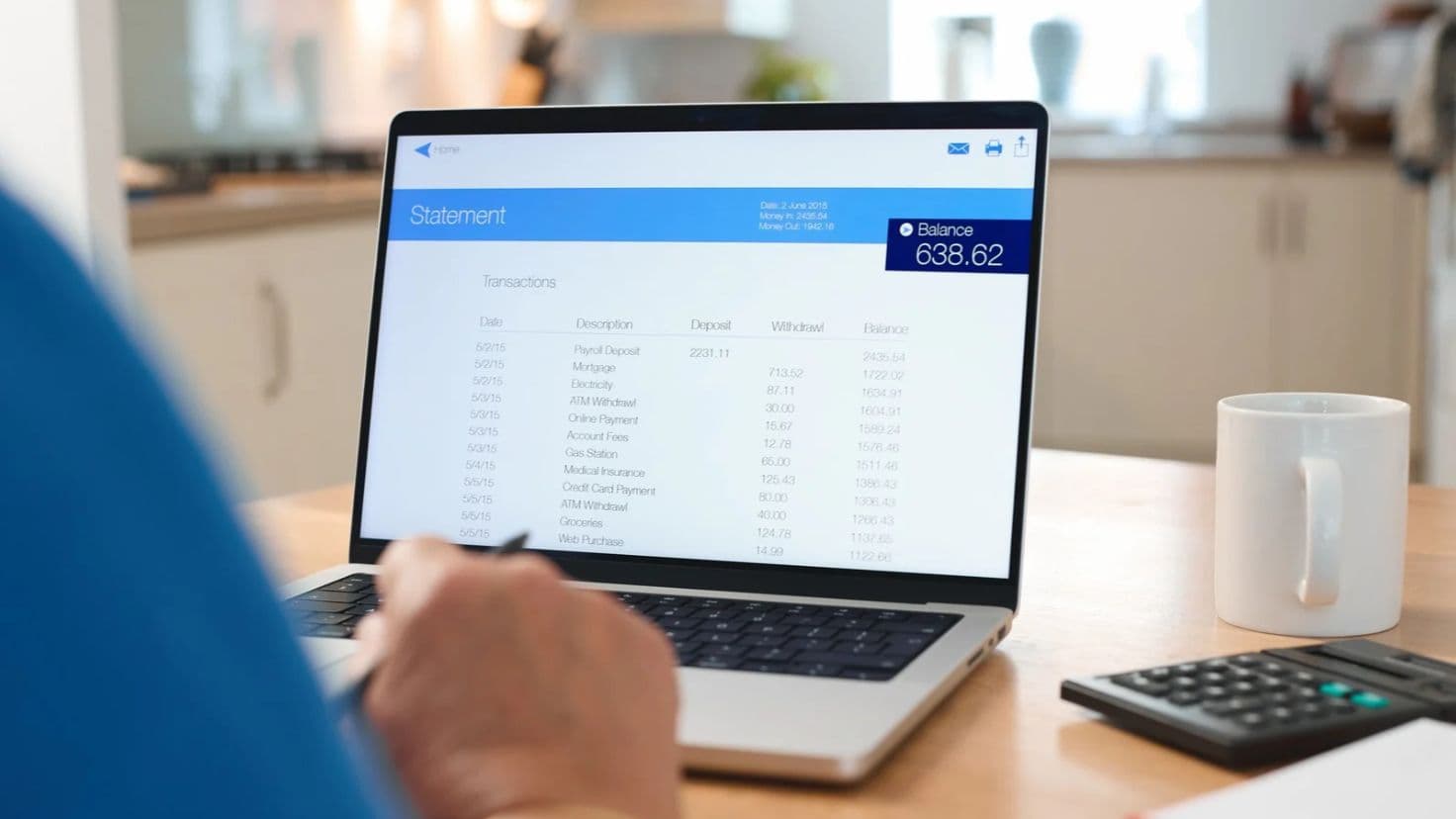
How many months of statements embassies ask for, what they check, and how to prepare a bank statement from the UAE that supports your application.
Quick Answer
Most embassies ask for personal bank statements covering the last 3 to 6 months, stamped by your bank, in the same name as your passport. Six months is increasingly common for Schengen applications filed in the UAE, and some consulates, such as the Swiss embassy through its UAE application centre, lists three months in their checklist. There is no single global minimum balance. Each country, and sometimes each consulate, sets its own rules, so the checklist for your specific destination and visa type always takes priority over general advice.
The statement has three jobs: show you can pay for the trip, show a stable and regular income, and support the case that you will return to the UAE.
Who This Applies To
Bank statements are requested for most tourist, visit and business visa applications, including Schengen, UK and many Asian and African destinations. What you submit depends on how you fund the trip:
| Applicant Type | What Embassies Usually Ask For |
|---|---|
| Salaried employee | Personal statements showing monthly salary credits, plus a salary certificate or employer letter with your position, joining date and salary. |
| Business owner or self-employed | Personal statement and company letter, plus a valid trade licence. |
| Dependant on a family sponsor's UAE residence | The sponsor's statements, a sponsor's NOC and a copy of the sponsor's documents. |
| Trip funded by someone else | A sponsorship letter and the sponsor's recent statements; requirements vary by country. |
| Student | Statements of the parent or guardian funding the trip, plus proof of enrolment. |
| Retiree | Pension statements and savings account statements. |
These are typical patterns, not a universal rule. Always confirm against the embassy's own checklist.
What Officers Look for in a Bank Statement
Officers are not looking for a high balance on its own. They look for consistency. They check whether your income arrives regularly, whether spending is stable, whether the closing balance covers the trip, and whether anything looks arranged for the application.
Some Schengen countries publish daily reference amounts, and they vary widely, from the low teens to well over EUR 100 per person per day depending on the country, accommodation arrangements and length of stay. As an illustration only: if a country's reference were EUR 50 a day, a 10-day trip would need around EUR 500 in available funds on top of any prepaid bookings. Check the current figure for your destination, because these amounts are updated.
A balance that meets the minimum is the floor, not the target. A balance that has held steady for months reads better than one that jumped last week.
Step-by-Step: How to Prepare Your Bank Statement
- Check the consulate's checklist first. Note the number of months required, whether the statement must be original or bank-stamped, and any daily-amount rule.
- Request the statement from your bank. Ask for a stamped statement in English covering the exact period required. Most UAE banks issue these through a branch, a service request or a secure online channel.
- Check the end date. The statement should run up to close to your appointment date. A statement that ended several months ago looks outdated, and some embassies state a maximum age for the document.
- Verify the details. Your name must match the passport. Account number, currency and dates should be clear and legible.
- Explain any large deposit. A one-off credit, such as a bonus, a property sale or a family gift, should be supported with a short note and evidence of its source.
- Add supporting documents. Combine the statement with a salary certificate, recent payslips, a trade licence or sponsor documents, depending on your category.
- Keep a copy of everything you submit. If you later reapply or appeal, you will want to show consistency.
Common Mistakes
- Depositing a lump sum just before applying. Sudden credits with no explained source are a classic red flag and can lead to a refusal on the grounds of unreliable documents.
- Submitting a statement that is too short. If the checklist says six months, three will not do.
- Using a plain online print-out when a stamped statement is required. Some embassies accept digitally signed e-statements, but many insist on a bank stamp. Check before you assume.
- Name or currency mismatches. A statement in a different name or an unexplained foreign-currency account creates avoidable questions.
- Relying on a sponsor without documents. A sponsor's statement needs a sponsorship letter and proof of the relationship, where the embassy asks for them.
- Showing funds but no income. A good balance with no regular credits is harder to read than a modest balance with a steady salary.
- Inconsistent figures. Monthly salary on your employer letter should line up with the credits on your statement.
- Hiding a thin balance. If your funds are limited, show the other evidence honestly, such as prepaid accommodation, a sponsor, or a shorter trip.
Official Sources
Requirements differ by destination, so rely on the authority that will decide your application:
- The embassy or consulate website of your destination country, and its checklist published for applicants in the UAE
- VFS Global, TLS and BLS country pages for the UAE, which carry the document checklists for each embassy they serve
- European Commission, Home Affairs: Applying for a Schengen visa (home-affairs.ec.europa.eu)
- GOV.UK visa guidance, for UK visit visa applications
Related Visa Pages
- Schengen visa from the UAE
- Schengen visa rejection reasons and appeal letter
- Travel insurance requirements for Schengen visa
- How to book a visa appointment (VFS / BLS / TLS)
- Business visa invitation letter: format and samples
Not sure whether your statement is strong enough? Our visa team can review your documents against the embassy's checklist before you book your appointment.
FAQs
How many months of bank statements do I need for a visa?
Most embassies ask for the last 3 to 6 months. Many Schengen consulates now request six months, so check your destination's checklist before ordering statements.
What is the minimum bank balance for a visa?
There is no universal minimum. Some Schengen countries publish a daily reference amount per traveller, while others leave it to the officer's assessment. Confirm the figure with the relevant embassy.
Do I need a stamped bank statement?
Often yes. Many consulates want a statement stamped by the bank. Some accept digitally signed e-statements, so follow the wording on the checklist.
Can I use my spouse's or parent's bank statement?
Yes, in many cases, if they are sponsoring your trip. You will usually need a sponsorship letter, the sponsor's statements and proof of your relationship.
Do fixed deposits or savings count?
They are generally accepted as supporting evidence of funds, but consulates differ. Submit them alongside your account statements, not instead of them, unless the checklist says otherwise.
What if I have a large deposit in my statement?
Explain it in a brief letter and attach evidence of the source, such as a bonus letter, sale agreement or transfer record. Unexplained deposits can trigger doubts about the reliability of your documents.
Does a bank statement guarantee visa approval?
No. It is one part of the file. Officers also assess your purpose of travel, itinerary, insurance, travel history and ties to your home country.

